
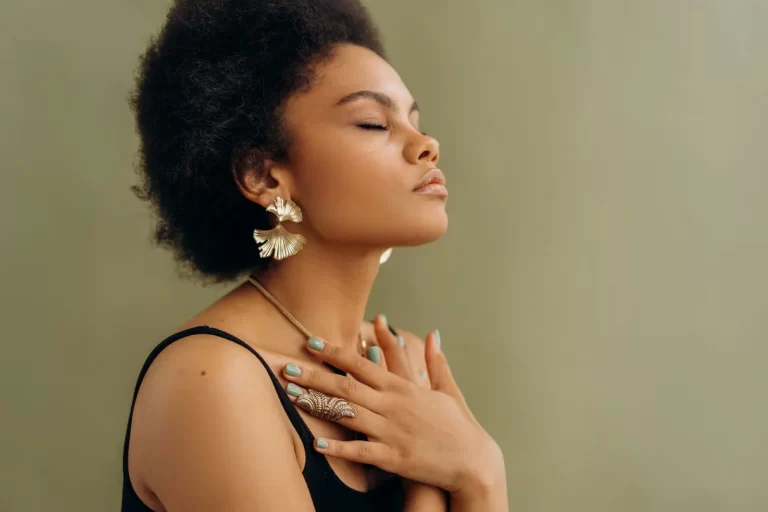
Jewelry holds value far beyond its price. Whether it’s a family heirloom, a meaningful gift, or a carefully chosen accessory, jewelry often represents love, history, and personal style. Like any cherished possession, jewelry deserves proper care to remain as brilliant as the day it was acquired. While one-of-a-kind treasures are priceless, even fashion jewelry deserves love and attention. With the proper attention, you can ensure your favorite statement pieces retain their sparkle and are in excellent condition for years to come.
Jewelry is made from a wide variety of materials, each requiring specific care. Precious metals like gold, silver, and platinum have unique characteristics and care needs. For example:
Gemstones, whether natural or lab-created, also have diverse care needs. Diamonds are famously hard, but softer stones like opals and pearls require delicate handling. Costume jewelry often contains base metals and synthetic stones that may react to moisture and chemicals. Understanding what your jewelry is made from helps guide your care routine and avoid common pitfalls.
Cleaning jewelry is essential to maintain its brilliance. Everyday wear leads to residue from natural oils, personal care items, and even sweat which dulls sparkle over time. Use a soft-bristle toothbrush with gentle dish soap to clean gold jewelry. Dip it in a warm, soapy solution and rinse thoroughly, then pat dry with a soft cloth.
For gemstones, avoid harsh cleaners that can erode the surface. Instead, opt for damp cloths, clean water, and gentle soap when needed. Pearls should never be soaked — wipe them with a damp cloth after each use and store separately. Be mindful of ultrasonic and steam cleaners — these methods may be too harsh for delicate stones or glued settings.
Heavy jewelry buildup needs special attention. Soak metal and hard stones in warm water (no embedded gems), use a baby toothbrush to remove dirt, and dry with a lint-free cloth. Avoid using tissues or paper towels, as these can scratch or damage the surface of softer materials.
Proper storage is just as important as cleaning. Jewelry can become scratched, tangled, or tarnished if not stored correctly. Use a jewelry box with separate compartments to keep items from tangling, and protect your favorite fine and fashion pieces from unnecessary wear.
Good storage preserves jewelry’s high brilliance, so choose tarnish-free linings, especially for silver. Anti-tarnish bags or cloths help with humidity, which is often a cause of discoloration. Closed containers are ideal to prevent jewelry from exposure to air.
If you own expensive or sentimental items, investing in a safe or lockable jewelry case adds an extra layer of security. “These items are your valuable pieces and protect them from theft as well as the elements.”
Wearing jewelry can expose pieces to potential harm. Activities like swimming, cleaning, or exercising may cause wear or scratches. Chlorine in swimming pools, for example, can erode metals and weaken prongs. Remove your jewelry before such activities to avoid damage or loss.
Be mindful of how fabrics, perfumes, and hair products interact with your jewelry. These substances can build up over time, leading to dullness, discoloration, and loosening of prongs. Spray perfumes before putting on necklaces. Let lotions absorb before slipping on rings.
If dust and debris accumulate, your settings can be scratched or even become loose or dirty. Take off rings before gardening, showering, or using hand sanitizer to maintain integrity.
Over time, jewelry may lose its original shine. Polishing is an effective way to restore its luster. Most fine and fashion pieces can be polished with specialty cloths designed for these metals. Avoid polish creams that contain ammonia or bleach.
If your jewelry includes intricate settings or textures, professional polishing might be necessary. Jewelers have the tools and experience to revive shine and perform deep cleaning for pieces that have seen years of consistent wear and daily dirt, oils, and friction.
Avoid over-polishing, as frequent use reduces the metal’s layers. Each time you polish, a microscopic layer is removed. Be cautious and polish only when necessary. Regular polishing keeps your jewelry looking beautiful as the day you first wore it.
Tarnish is a common issue, especially for silver jewelry. It occurs when the metal reacts with moisture and sulfur in the air. Tarnish is harmless initially but dulls the surface. Gently rub the metal with a tarnish-removal cloth, or use a homemade mixture of baking soda and water. Gently rub the mixture onto the jewelry, then rinse and dry thoroughly.
Gold jewelry rarely tarnishes but can discolor due to exposure to chlorine or sweat. Cleaning and gently wiping with microfiber keeps the finish in new-like condition. Even still precious metals oxidize with air — store in tarnish-free containers to keep that luster.
To maintain the original color of your jewelry finish, do not store in open air. Use a soft fabric pouch. Wear and store your pieces in similar-toned bags to prevent surface cross-transfer between silver, gold, or rose gold.
Even the most well-maintained jewelry can occasionally break or become damaged. Chains may kink, clasps can snap, or prongs might loosen. If out of shape, avoid DIY fixes unless you know the piece’s material well.
Professional jewelers can fix or tighten settings, or even reset lost stones. However, make sure you choose trusted repair professionals for high-value items. Be wary of mall repair counters or online promises of gem fixing or soldering. Cheap fixes can permanently damage surface metals. Jewelers have the expertise to repair delicate pieces without compromising their structure.
Preserve receipts and appraisals, especially for heirloom or rare items, so they can be properly inspected. Regular inspections ensure your jewelry stays in excellent condition.
Traveling presents extra challenges for jewelry care. Tangling, scratching, or loss can occur if not stored properly during travel. Use padded pouches or individual compartments or padded pockets to keep pieces separate and secure.
Avoid traveling with high-value jewelry unless it’s necessary and insurance-worthy. For everyday accessories and styling, bring versatile pieces (a neutral gold set or a mixed set). If you’re always on the move, consider rotating items for peace of mind.
If beach photos are part of your itinerary, plan ahead. Sand is abrasive and can lodge into small places or cause minute scratches and dullness. Inspect these pieces once you’re back to clean or store them for safe-keeping.
Not just for heirlooms, jewelry insurance offers protection against theft, loss, or damage. Ask your insurance provider if your plan covers all items, including fashion or costume pieces. For high-value or bespoke jewelry, a rider may be needed, especially for engagement rings or heirlooms and custom creations.
Take photos of all pieces with proper appraisals and receipts. Keep digital backups in the cloud. While insurance won’t prevent accidents or wear, it can offer financial peace of mind if something goes wrong. Investing in a policy safeguards your most treasured items.
Jewelry with sentimental value deserves extra care. These items often carry high emotional importance, like family heirlooms, first anniversary gifts, or pieces from milestones. While daily wear may be limited, they still require maintenance to maintain their appearance, but handled with even greater caution, especially if they’re older or fragile.
Consider storing sentimental accessories safely to reduce the risk of accidental damage. For some of these vintage items, such as broken necklaces or missing rings, store them on display cases where they can still be protected while admired.
If pieces are not worn but need choice & curated growth with attention to handling, proper storage and care ensures your memory jewelry remains these cherished expressions for generations.
Caring for your jewelry preserves its beauty, value, and meaning. From proper cleaning to storing with care, small efforts go a long way in extending the life of your favorite pieces. Whether it’s a daily ring, an elegant fashion piece, or a timeless treasure, your jewelry deserves to shine.
If you’re looking for high-quality jewelry that can last a lifetime yet remain in your everyday rotation, visit our collection at Candie Reign. We’re here to help you find and care for pieces you’ll treasure forever.